
The spread
Charim restaurants: the full spread
차림 · charim
The whole table arrives at once: rice, soup, a main dish and a crowd of banchan. Order one set, and the kitchen does the rest.
- Baekban
- Hanjeongsik
- Ssambap

A Seoul local’s own list of Korean restaurants, and a journal on why each one is worth your meal.
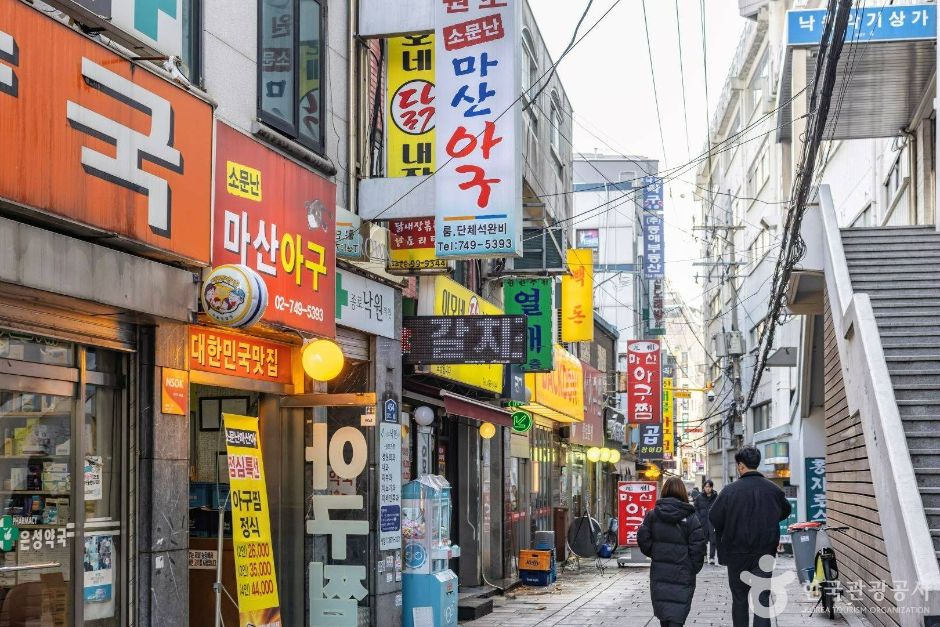
Scroll DownNagwon-dong Agujjim Street낙원동 아구찜 거리 Old Seoul has streets that belong to a single dish — jokbal in Jangchung-dong, tteokbokki in Sindang-dong. This one belongs to agujjim, spicy braised monkfish.
Photo © Korea Tourism Organization
A letter from a local table
Eat what Koreans are happily eating tonight.
Whenever I travelled, I wished a local had written about the restaurants of the country I was visiting. Google ratings, and even Tabelog in Japan, never quite answered what I wanted to know, and trusting them often led me to the wrong table.
So this page is that list for Korea: restaurants I love, and a journal of why I recommend each one. The seasons and ingredients you meet elsewhere on this site all end up here, at a real table you can sit down at.
I can’t promise that a place I love will taste as good to you. Everyone’s palate is different. But if you eat from this list before you go home, I hope you leave thinking: so this is the food Koreans are happy to eat.
Jisup Shin
Reading the signs
Jip (집) means house, or home. In Korea, a restaurant is simply the house of the dish it serves.
Ask a Korean where to eat and you will rarely hear a restaurant name. You will hear a dish, plus jip: a gukbap-jip for rice soup, a gogi-jip for grilled meat, a kalguksu-jip for knife-cut noodles. The best of them cook one thing, often for decades, and the menu on the wall may have only three lines.
That is why whole streets gather around a single dish, like the agujjim street in the photo above.
The biggest word of all is matjip (맛집), a “house of taste”: a place people go out of their way for. Every restaurant on this page is, to me, a matjip.
Good to know On a map app, search the dish name plus 집, or plus 맛집, and you will find the specialists near you.
“House of taste.” A restaurant known for being good; the word you will see on signs, TV and every food blog.
“Well known by word of mouth.” Look closely at the signs in the photo above: two of them start with it.
“The original.” Claimed by the first shop on a food street, and often by its neighbours too.
Kinds of table
Know which kind of table you are walking into, and you will know how to order.
The spread
차림 · charim
The whole table arrives at once: rice, soup, a main dish and a crowd of banchan. Order one set, and the kitchen does the rest.

Cooked at the table
불 · bul
Fire in the middle of the table: meat on a charcoal grill, or a pot bubbling on a burner. You cook, share and finish with rice fried in the same pan.

One dish
단품 · danpum
One person, one dish: a bowl of soup, noodles or rice, fast and filling. Most of these are single-dish jip, and fine to visit alone.
Dessert & snacks
주전부리 · jujeonburi
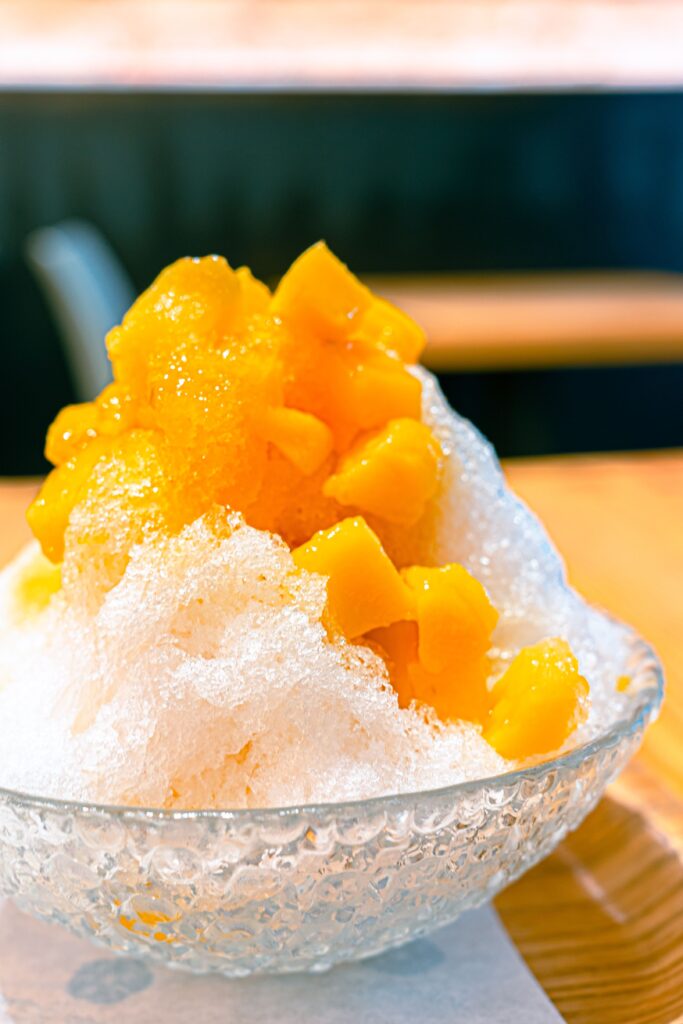
Sweet and small, eaten on the move or with tea: rice cakes, shaved ice, pancakes off a street griddle.
FAQ
Jip (집) means house or home. Koreans name a restaurant by its dish plus jip, so a gukbap-jip serves rice soup and a gogi-jip serves grilled meat. It usually signals a specialist that cooks one thing well.
Matjip (맛집) literally means “house of taste”: a restaurant known for being good. It is the word Koreans use when recommending a place, and you will see it on signs and in every food blog.
Think of them by how the food reaches the table: charim (차림), a full spread with banchan; bul (불), fire at the table for grilling or simmering; danpum (단품), one dish per person; and jujeonburi (주전부리), desserts and snacks between meals.
Yes. The small side dishes that come with a meal are included in the price, and refills are free. Ask staff, or look for a self-service banchan corner.
Yes. One-bowl restaurants such as gukbap and noodle houses are made for solo diners. Barbecue and hot-pot places often ask for at least two portions, so check before you sit down.
Many tables have a call bell; otherwise say “jeogiyo” (저기요, “excuse me”). More restaurants now use a kiosk or a tablet on the table. You usually pay at the counter on the way out, and there is no tipping.
They are places I, a Seoul local, eat at and love. Each one has a journal post explaining what to order and why I recommend it, rather than a star rating.
Agujjim (아구찜) is monkfish braised with bean sprouts, minari and a spicy chili sauce, served on a large platter to share. Nagwon-dong in Jongno, Seoul, has a whole street of agujjim restaurants.
Journal
One table at a time: what to order, when to go, and the reason I keep going back.
 Autumn Shad, and Grilled Prawns feat. striped jack
How to eat sashimi at Noryangjin Fish Market, Seoul: buy a platter on 1F, eat it at a chojang-jip upstairs. Real 2026…
Read the story →
 Oyang Sikgwan
 is a basement kimchi-stew restaurant behind Gwanghwamun in Seoul. Whole-pork kimchi stew cooked at the table, the Oyang set (₩26,000…
Read the story →
 Maknae Hoetjip
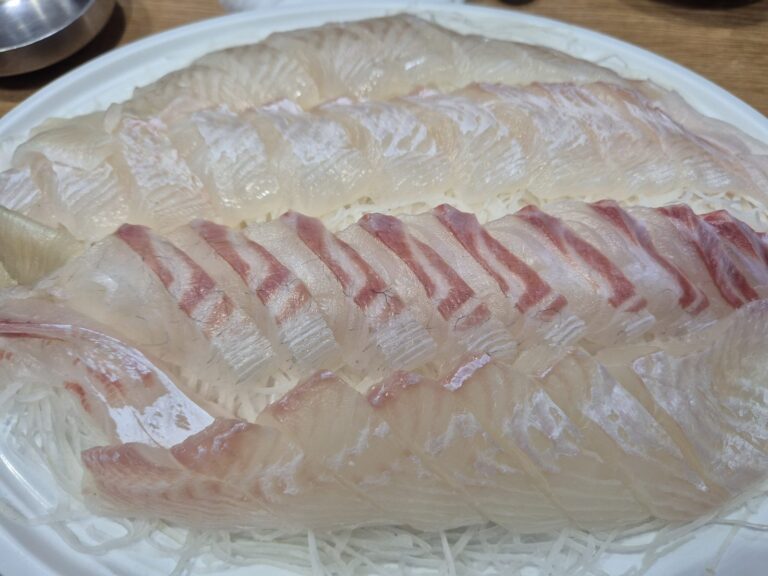
Raw Fish and Soju in a second-floor room off jongno - and, if you are staying nearby, a front-row seat at the…
Read the story →
 kongguksu-jinju
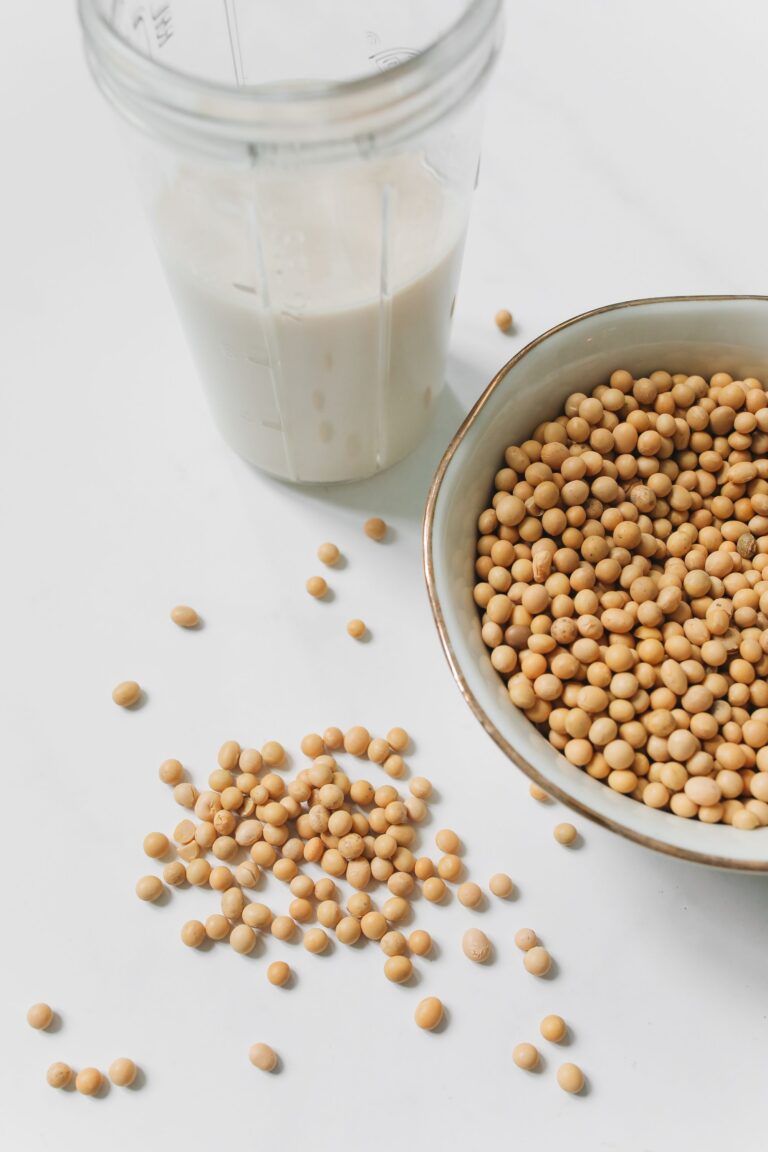
The deepest, hardest thing Korea makes from a soybean, and the work starts with the beans. My favourite of them all —…
Read the story →
 Buamdong Bingsu
Bu:bing, the Seoul bingsu shop we have been to more than twenty times. Menus, prices and hours for all three branches, and…
Read the story →