Two people seated on a bare wooden floor facing each other across a low tea tray, with two cups and a cast-iron pot between them; only their hands are in frame
Design Your Travel Korea
← Culture

Korean TraditionWhat you do,
and what it says

Korean manners are absorbed rather than taught — at the doorway, at the table, over the first glass. Nobody will correct you. What changes is only how the room reads you.

Scroll Down

Jwasik좌식 Floor seating. The heated floor is where life happens, so shoes stay at the step and the table comes down to you.

A note before you step inside

Nobody expects you to get it all right.

Koreans are generous with visitors who stumble over the rules. What they notice is the effort — two hands on the bottle, shoes left at the step, a short pause before the first spoonful.

The customs below are the ones that come up on almost every trip, and I’ve tried to say where each one comes from — a rule is far easier to remember once you know why it exists.

Longer stories — hanbok, the 갓, and the courtesies that came with them — will follow in the journal below.

Jisup Shin

Nobody will teach you these

Rules of Korean tradition,
and the objects behind them

Most of them come from things you can hold — a brass bowl, a lacquered cup, a heated floor. Others come from words that sound alike. Knowing the cause is what turns an arbitrary rule into one you can remember.

Two people touching small soju glasses together, each glass held in both hands
The drinking table

The glass is never your own

Suljari
Where it comes fromThe Confucian village drinking rite 향음주례, in which age set the order of pouring. The ceremony is gone; the sequence survived in bars.
What you do
You top up your own glass
What the table reads
Nobody here is looking after you

Your glass is somebody else’s job and theirs is yours, which is why nobody fills their own. Turning your head away as you drink in front of an elder is not modesty about alcohol — it is not facing them squarely while doing something informal.

To refuse: rest a hand lightly over the rim and say you are a light drinker. Never turn the glass upside down.

Pour withBoth hands
Before eldersTurn away
Refill whenIt empties
A traditional Korean table laid with brass bowls of rice and soup, lidded vessels and many small side dishes
The meal table

The bowl stays on the table

Bapsang
Where it comes fromRice and soup arrived in heavy brass 놋그릇 and scalding stone 뚝배기 — vessels you physically cannot lift. Japanese lacquerware is light, so it evolved the opposite habit.
What you do
You stand chopsticks upright in the rice
What the table reads
A bowl set for the dead

This is the rule that catches experienced travellers, because they learned the reverse two hours away by plane. The bowl stays down and the spoon comes up to you — and the spoon does more work here than in any other chopstick culture.

Flat steel chopsticks are genuinely harder than wooden ones. Ask for a fork; nobody reads it as a failure.

Lift the bowlNever
Begin whenElders do
Side dishesFree, refilled
A pair of white rubber shoes left on a stepping stone below the raised wooden floor of a hanok
The threshold

Where the shoes come off

Sinbal
Where it comes from온돌 — underfloor heating that has warmed Korean houses for roughly two thousand years. When the warm surface is the floor, life moves down onto it.
What you do
You step up with your shoes on
What the room reads
You walked across the bed

Homes, hanok stays, temple halls, jjimjilbang and floor-seating restaurants, always. The boundary announces itself: a step up, a rack, or shoes already lined up and pointed back toward the door. Point yours the same way.

Your socks are public here, and bathroom slippers are a separate pair that stays in the bathroom.

The signalA step up
Leave themFacing out
PackWhole socks
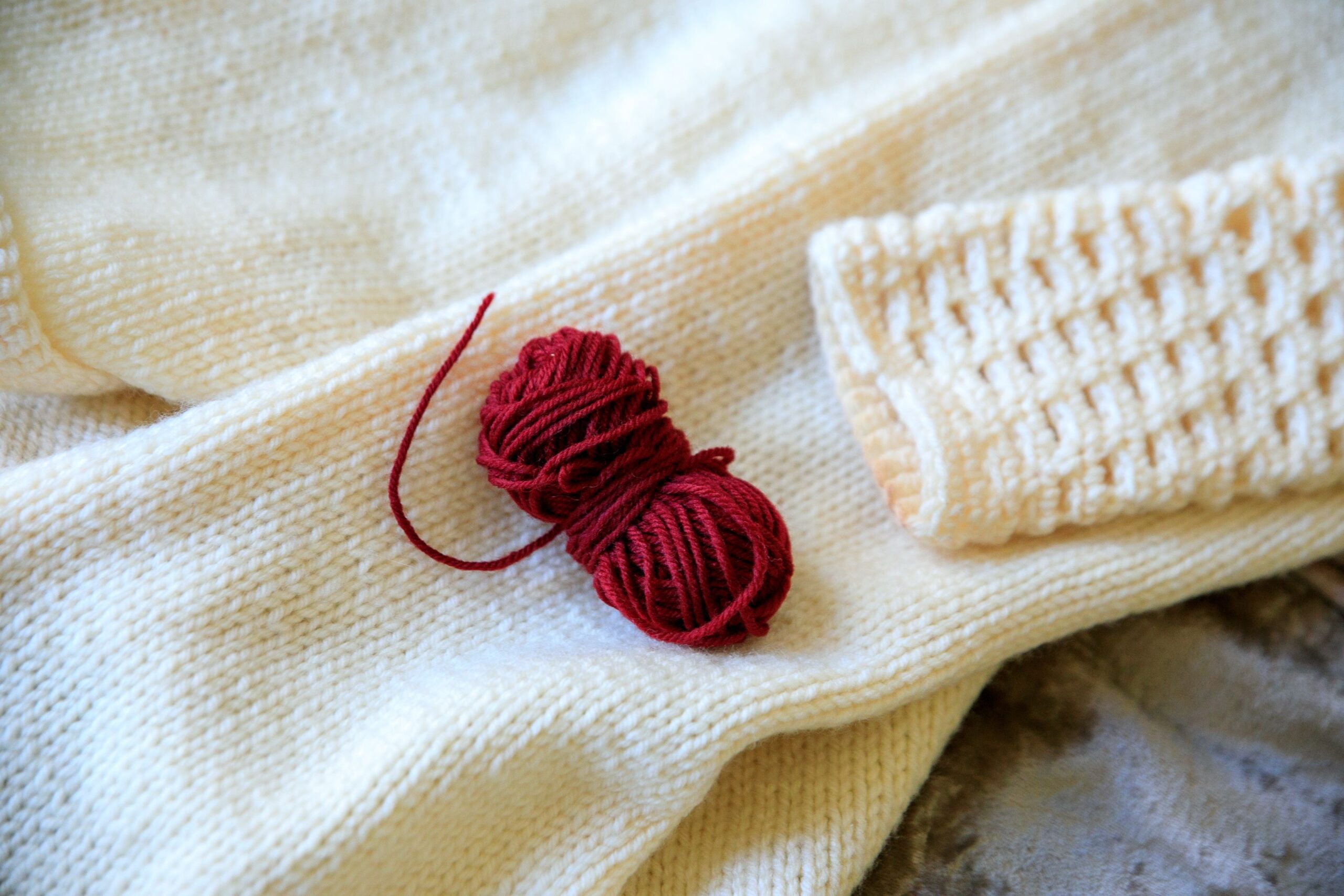
A ball of deep red yarn resting on cream knitted wool, the only saturated colour in the frame
The quiet taboos

Red ink and the missing fourth floor

Geumgi
Where it comes fromHomophones. 사 is both four (四) and death (死), and the names of the dead were once written in red on memorial registers.
What you do
You sign their name in red
What it reads as
You wrote them among the dead

Gifts carry the same logic: shoes walk the person away, blades cut the relationship, handkerchiefs bring tears. Younger Koreans will tell you they believe none of it, then quietly buy the rice cake anyway.

The right gifts: tissue and detergent for a housewarming — troubles unroll, fortune rises like suds. Before an exam, 엿 or 찹쌀떡, which stick. Never 미역국, which slips.

Floor fourMarked F
Never giftShoes, blades
TippingNot done
Pouring
Both hands, and never your own glass
The table
Bowls stay down, elders start
The doorway
Shoes off at any step up
Red pen
Never on a living name
Asked in the first week

Questions people send us
once they are here

Do I really have to turn my head away when I drink in Korea?

With anyone clearly senior — a host, a client, a friend's parent — yes, and it takes half a second. Among people your own age it has largely faded. If you are unsure, do it once at the start of the meal. Nobody has ever been thought rude for being slightly too careful.

Is it a problem if I cannot use Korean metal chopsticks?

No. Flat stainless chopsticks are harder than wooden ones and Koreans know it. Ask for a fork — most places have them. The spoon carries more of the meal here than elsewhere, so you can eat a full table with spoon and fork and still look at home.

Who pays for the meal in Korea?

Traditionally the eldest person, or whoever suggested it — which is why the struggle at the register is genuinely competitive. Splitting is now normal among friends and colleagues. If an older host insists, let them and offer to cover the next place, since dinner usually moves to a second venue anyway.

Why do Korean elevators skip the fourth floor?

Because 사 means both four and death, so the button is often marked F instead. Hospitals are the strictest about it. The same instinct explains why nobody writes a living person's name in red, which is the one that catches visitors on real paperwork.

Custom varies by generation and region, and the drinking customs in particular have loosened considerably among people under forty. Treat all of this as a well-informed default, then follow the room.

Journal — tradition

Hanbok, the gat,
and the courtesies behind them

Longer pieces on what Koreans have traditionally worn, made and observed — and the respect each one was meant to show.

Scroll to Top