
Korean Festivals by Season Come when something is happening

Korea packs its best days into narrow windows

Korea’s four seasons turn quickly, and each one brings its own reason to come. Spring colours the whole country pink with cherry blossom; summer answers with music and water fights on the coast and in the cities. Autumn lays out red maple walks and street-food festivals, and winter fills a silver landscape with light and snow. Whenever you arrive, the year already has something laid on for you.

I hope you get to enjoy Korea’s many festivals before you go home.

Jisup Shin

The eight strands of the Korean festival year

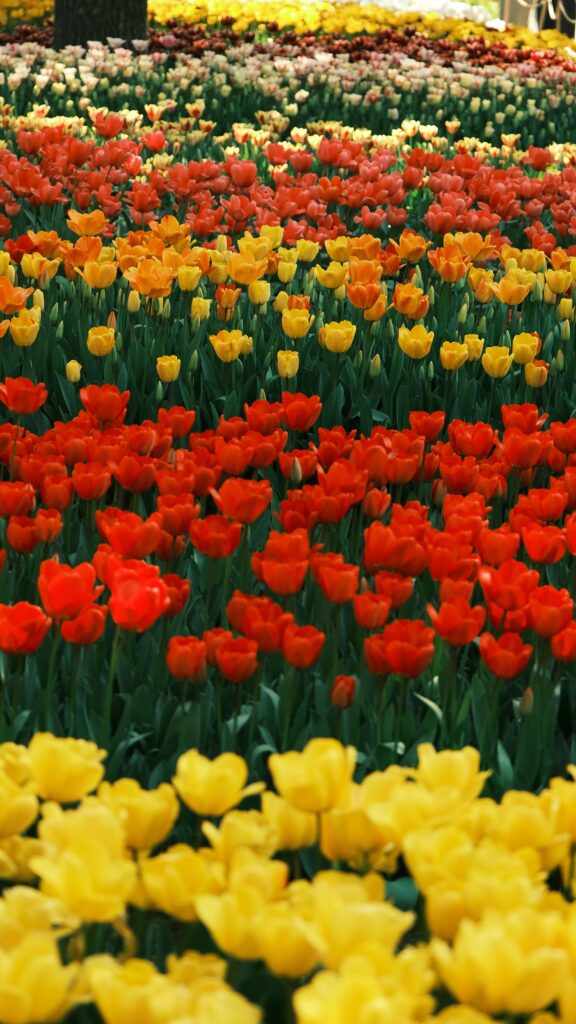
  1. Rows of red, orange and yellow tulips in flower at a Korean spring flower festival festival-spring-blossom.jpg Late March — early May

    Blossom & flower festivals

    꽃축제

    The bloom starts in Jeju in late March and reaches Seoul a fortnight later. Yeouido closes a road and draws five million people; Jinhae turns a whole naval port pink. Forecasts land four weeks out, and so do sold-out trains.

    春Spring5 festivals
  2. Rows of coloured paper lanterns strung above a temple courtyard for Buddha's Birthday festival-spring-tradition.jpg Late April — early June

    Lanterns & tradition

    연등·전통

    On the eve of Buddha's Birthday, Yeondeunghoe carries thousands of paper lanterns through central Seoul. Weeks later, Jeonju Daesaseupnori holds the oldest contest in pansori and nongak. Both follow the lunar calendar, so the dates move.

    春Spring2 festivals
  3. Festivalgoers piled into a mud pit on Daecheon Beach at the Boryeong Mud Festival festival-summer-mud.jpg Mid-July

    Mud & the sea

    머드·바다

    For ten days in July, mud dredged from the Yellow Sea flats covers Daecheon Beach. The Boryeong Mud Festival does the rest — wrestling, slides, a beach party — with more English spoken than Korean. Monsoon falls in the same weeks.

    夏Summer1 festival
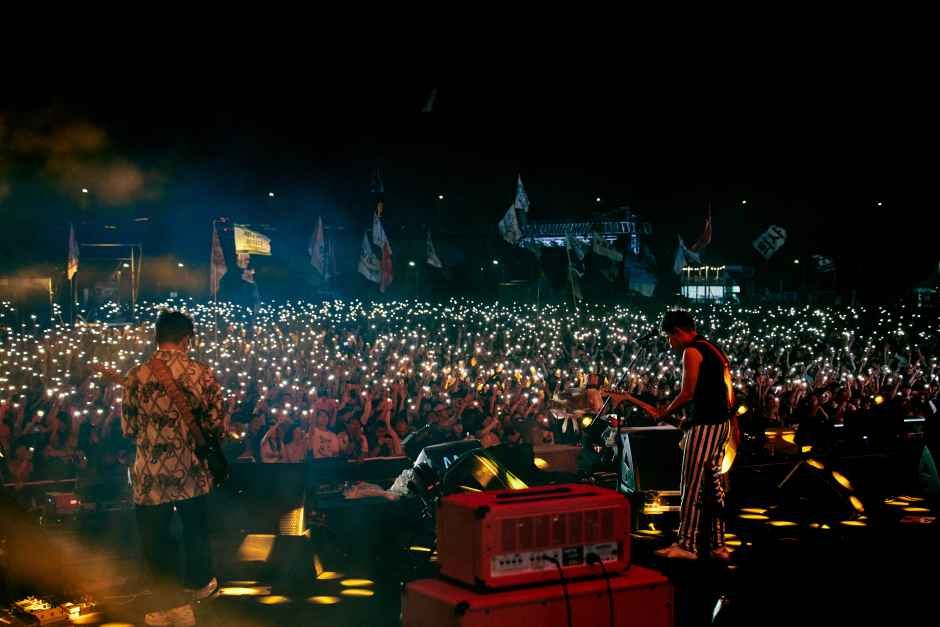
  4. Two musicians on stage at night facing a crowd holding up phone lights at a Korean rock festival festival-summer-music.jpg Early August

    Music festivals

    음악 페스티벌

    Pentaport has run in Incheon since 2006, the country's longest-standing rock festival: three days, several stages, Korean and international bills. A campground sits beside the site in Songdo, an hour from Seoul on the subway.

    夏Summer1 festival
  5. Three fireworks bursts over the Han River and the lit Seoul skyline at night festival-autumn-fireworks.jpg October

    Fireworks festivals

    불꽃축제

    Two Saturdays in October, three weeks apart. The Seoul International Fireworks Festival puts invited teams over the Han River; Busan strings its launch points along Gwangan Bridge. Both are free and draw a million people.

    秋Autumn2 festivals
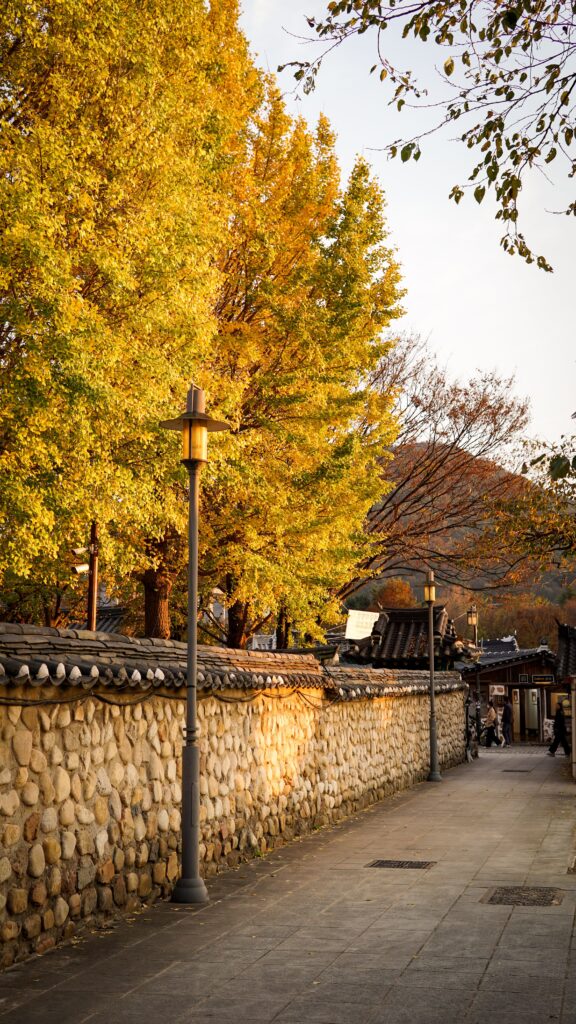
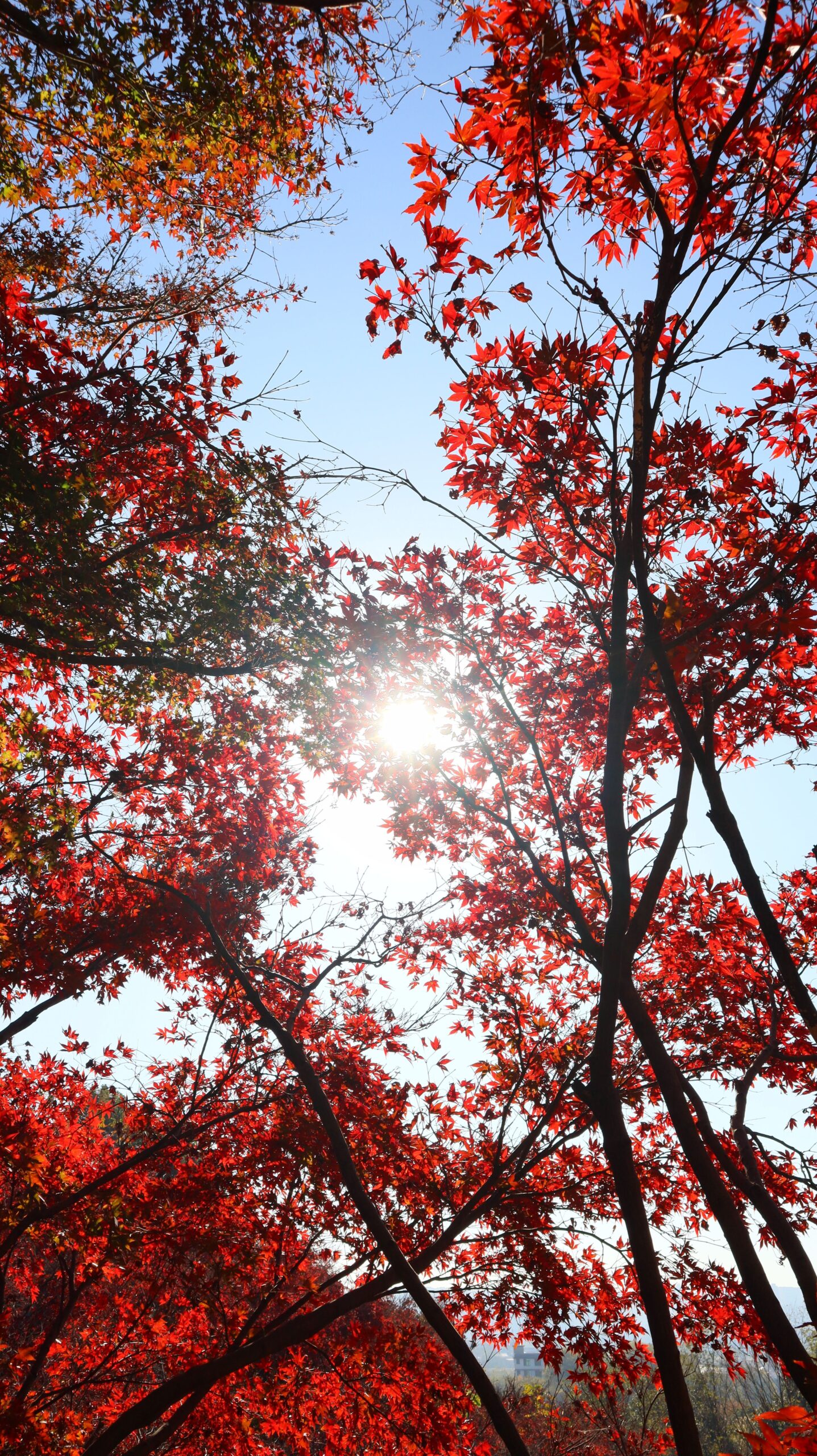
  6. Golden ginkgo trees rising above a tiled stone wall on a hanok lane in autumn festival-autumn-foliage.jpg Mid-Oct — early Nov

    Autumn foliage

    단풍축제

    Colour moves south at about twenty-five kilometres a day. Seoraksan turns first in mid-October; Naejangsan follows a fortnight later with its maple tunnel. The best weather of the Korean year, and the trains fill months ahead.

    秋Autumn3 festivals
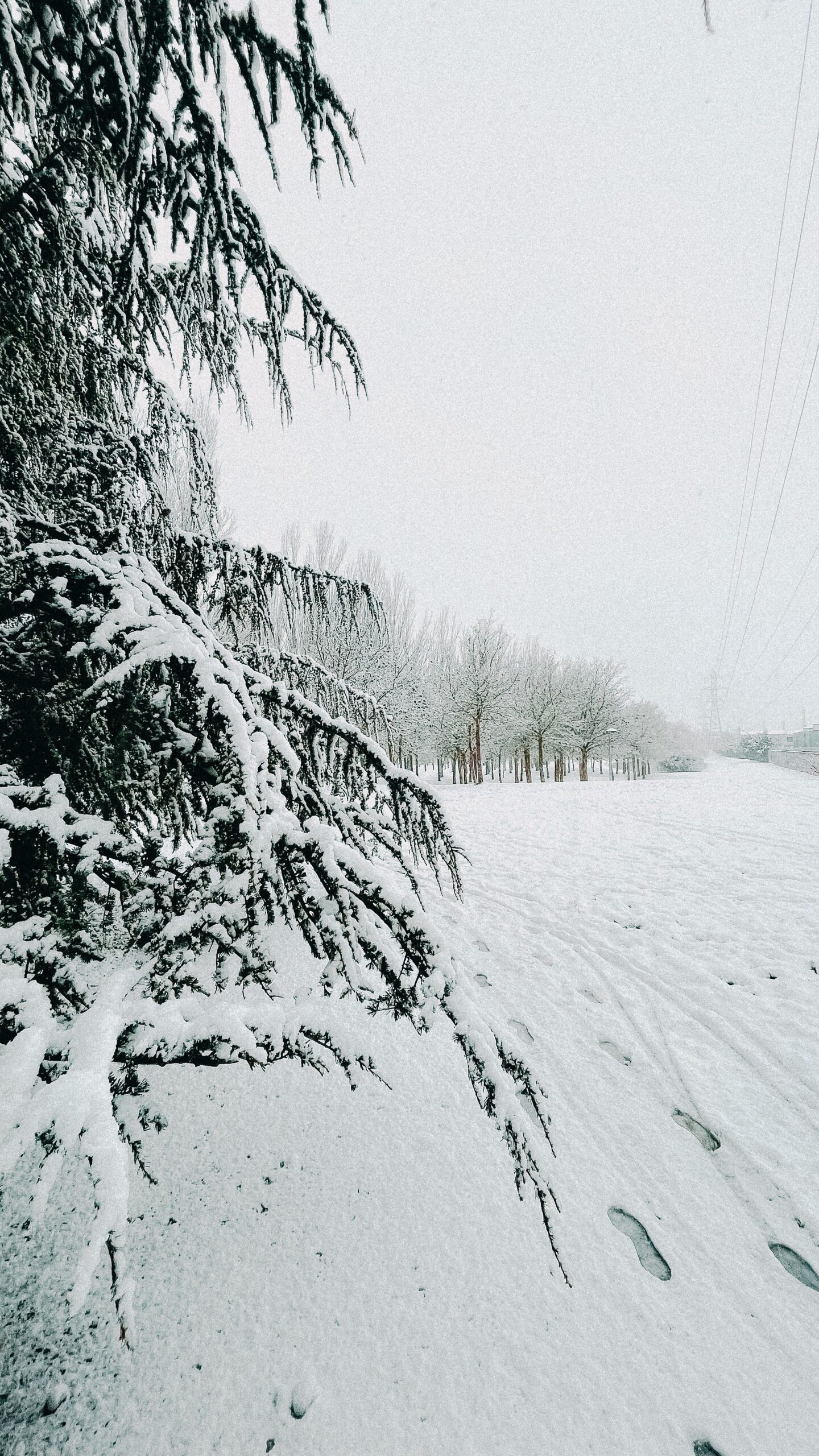
  7. A child crouching over a hole cut in the ice with a fishing line at a winter festival festival-winter-ice.jpg January — February

    Ice & snow festivals

    얼음축제

    Both are built on a frozen river, so the dates wait on the ice. Hwacheon Sancheoneo draws a million people to cut holes and pull trout out by hand; Pyeongchang does the same at half the crowd. Go midweek.

    冬Winter2 festivals
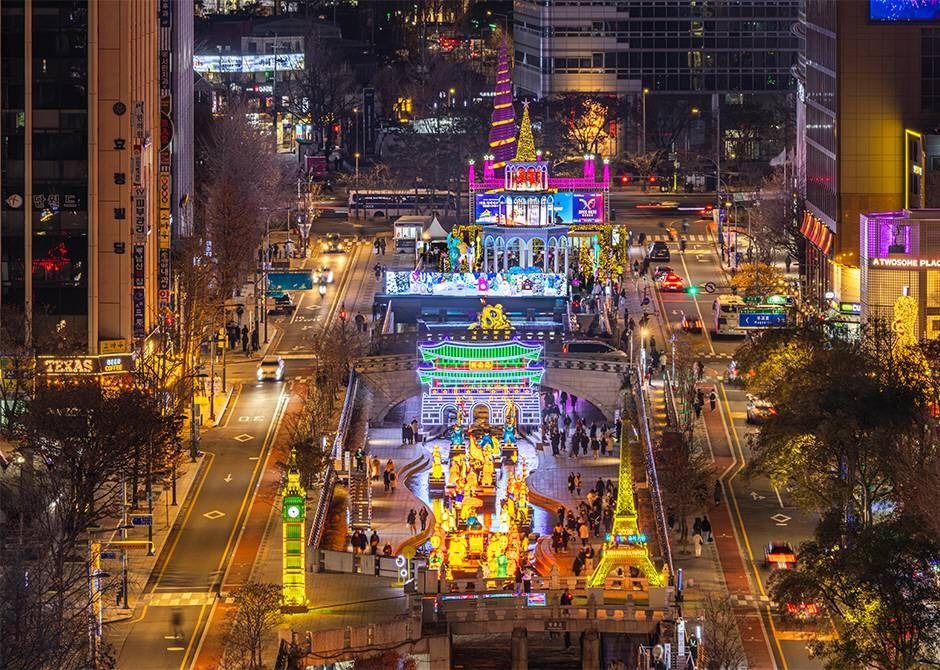
  8. Illuminated lantern sculptures lining Cheonggyecheon stream in central Seoul at night festival-winter-lights.jpg November — January

    Winter light festivals

    빛축제

    Nothing is needed but darkness, and in December it arrives by five. The Seoul Lantern Festival floats sculptures down Cheonggyecheon in November; the Christmas Festival lights the same stretch through December. All free, all near a subway station.

    冬Winter3 festivals
Asked before booking

Questions about
festivals in Korea

When is the best time to visit Korea for festivals?

Early April and October are the two busiest windows. April brings the cherry blossom festivals from Jeju up to Seoul; October has the Seoul and Busan fireworks and the start of the autumn foliage. July is the Boryeong Mud Festival, and January the ice festivals in Gangwon.

Do Korean festival dates change every year?

Most of them, yes. Blossom festivals follow the bloom forecast, Yeondeunghoe follows Buddha's Birthday on the lunar calendar, and the ice festivals wait until the river has frozen thick enough. Confirm the dates on the official festival site about a month before you travel.

Are festivals in Korea free?

The street and river festivals are — the blossom walks at Yeouido and Jinhae, the lantern parade, both fireworks nights and the winter light festivals on Cheonggyecheon. Pentaport, the Goyang flower show and Everland charge admission, and at Boryeong and Hwacheon the mud and ice-fishing zones are ticketed while the site itself is open.

How crowded do the big festivals get?

Very. The Seoul International Fireworks Festival draws around a million people to one riverbank, and the Yeouido blossom festival several million over its run. Arrive in the early afternoon for fireworks, go midweek for blossom and ice fishing, and expect nearby subway stations to be packed afterwards.

Can foreign visitors join in, or are they for locals?

Everyone joins in. The Boryeong Mud Festival is known for how many international visitors it draws, and signs and announcements at the large festivals are usually in English as well as Korean. Ticketed zones can sell out online, so book ahead where there is booking.

Journal — festivals

Notes from
the road

Festivals I have been to, written up one at a time — when to arrive, where to stand and what to eat on the way home.

First stories coming soon.

Photography — 한국관광공사 Korea Tourism Organization

Scroll to Top